
Posted: Christmas Day 2025
With eight updates officially logged, TexArrest is now operating in a hybrid state of daily public-record ingestion and active full-stack platform development.
Automated pipelines for Travis County, Collin County, and Milam County are now running reliably, indexing and publishing newly available arrest records and booking information on a near-daily basis. This confirms the platform is stable enough for continuous operation while additional county systems are evaluated and onboarded.
📅 Daily Record Ingestion Is Now Live
TexArrest has transitioned from batch testing into ongoing daily ingestion cycles for counties where arrest and booking data is made publicly available.
- Detecting newly published arrest records
- Indexing booking data efficiently
- Applying improved offense classification filters
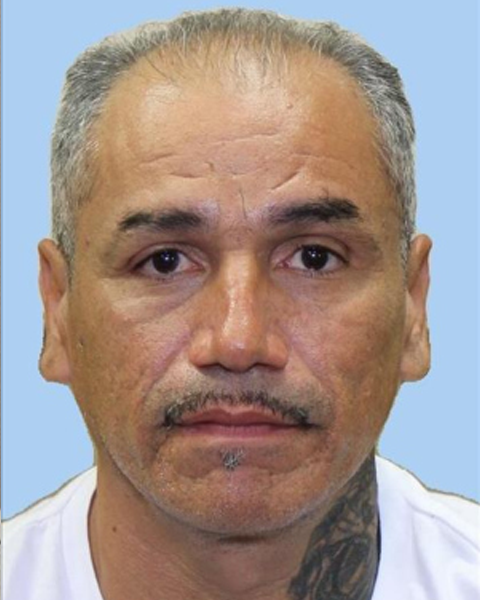
- Publishing booking photos when released by agencies
This shift marks a move toward continuous operation rather than periodic data pulls.
🤖 Scaling County-Specific Automation
Earlier development revealed that combining multiple counties into a single processing pipeline created unnecessary dependencies during maintenance and testing.
To address this, TexArrest adopted a more resilient architecture:
Each county now operates within its own independent processing pipeline.
This approach allows:
- Parallel processing across counties
- Isolated updates and maintenance
- Faster onboarding of new jurisdictions
- Stability without cross-county disruption
Live County Pipelines
- Austin / Travis County
- Williamson County
- Milam County
- Collin County
Each pipeline operates independently as part of TexArrest’s internal automation framework.
🔤 Improved Record Discovery & Recovery
Williamson County processing has received additional enhancements to improve discovery coverage and data completeness.
- Improved detection of newly published records
- Automated reprocessing of incomplete entries
- Expanded logic for identifying delayed booking photos
- Automatic recovery of previously unavailable images
These improvements help reduce gaps and ensure higher accuracy across the dataset.
🧩 Offense Classification Normalization
Standardizing offense categories across counties continues to be one of the more complex engineering challenges.
Different jurisdictions often describe the same offense using varying terminology, formatting, or metadata combinations.
- Expanded normalization rules are being developed
- Mixed agency-offense strings are being filtered
- Equivalent statutes are being grouped consistently
- Original charge text is preserved for accuracy
A larger cleanup pass is planned once additional county pipelines stabilize.
📈 Dataset Momentum & Search Growth
In the first 10 days following Google indexing, TexArrest recorded:
- 1,000+ organic clicks
- 3,000+ impressions
- Average search position: 4.1
- 2,500 users in the last 28 days
- 300+ active users per day
- Growth continuing as records are added daily
For a recently launched platform, this level of early traction confirms strong demand for centralized access to public Texas arrest data.
🚀 What’s Next
- Continue daily record ingestion
- Expand county-level automation
- Complete onboarding for additional non-Tyler systems
- Further refine offense normalization
- Accelerate rollout of compatible county platforms
TexArrest is now positioned to scale efficiently while keeping public information free, accessible, and transparent.
More updates coming soon.